Book five set the bar high. The Butcher's Masquerade had everything. Big action, emotional gut punches, and the series firing on all cylinders. Plus, we are officially one floor away from the much teased Faction Wars, the massive corporate battlefield where the alien factions actually step into the dungeon themselves. The threat of it hangs over everything they do here. So yeah, this one had a lot to live up to. For the most part though? It sticks the landing.
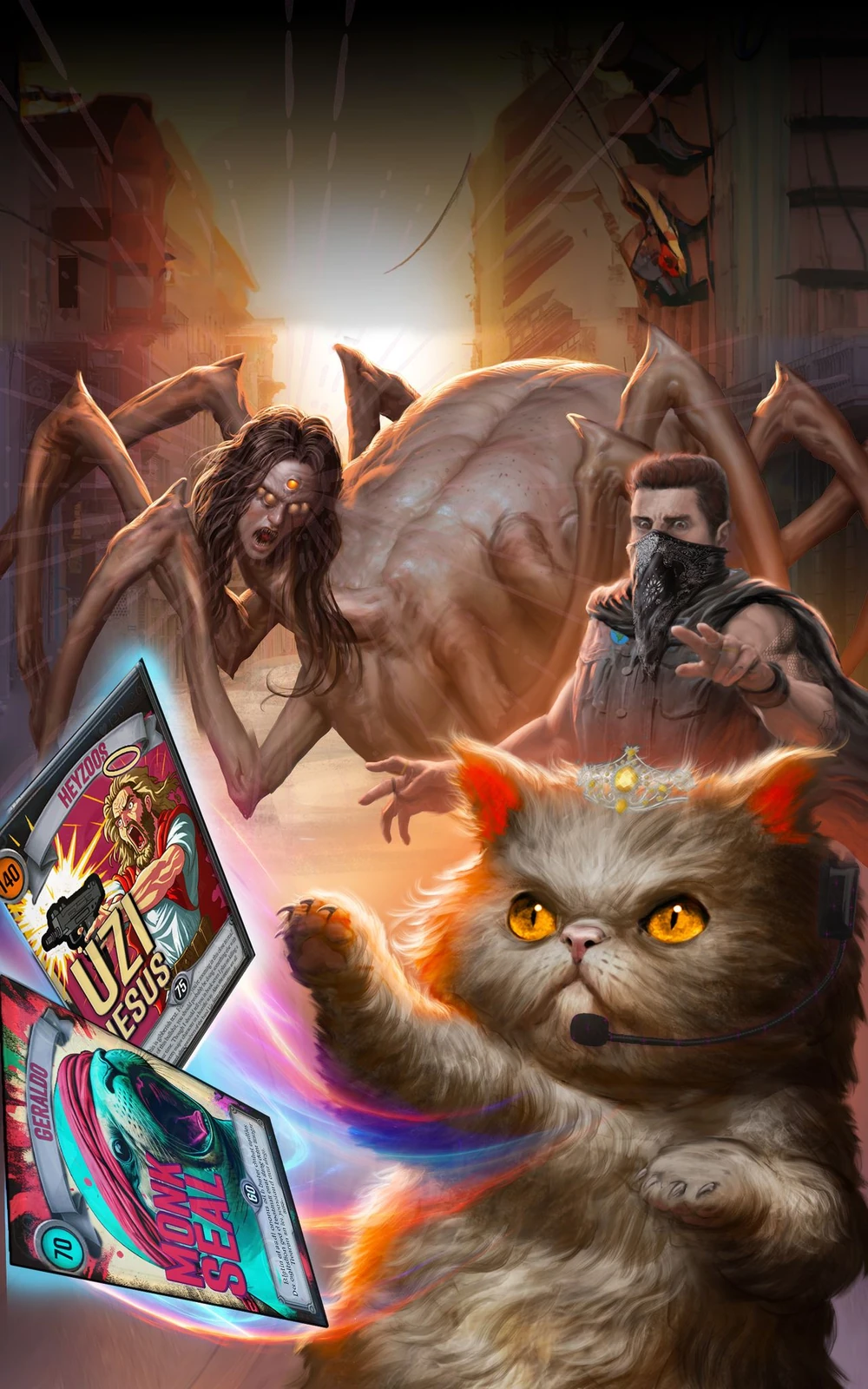
The new floor mechanic is the easiest way to hook someone on this book immediately. Think Yu-Gi-Oh mixed with Pokemon. You are out here catching fighters, building decks, and then going to war with them. As someone who grew up playing both and still dabbles in the Pokemon TCG, this hit a nostalgic nerve right away. It takes a minute to fully click, but once it does the whole system makes sense and it is genuinely fun. Each character you catch has their own quirks, and the over the top introduction sequences when they get revealed from decks are hilarious. Dinniman nails just how audacious the whole thing feels.
The floor itself also brings you back to a version of Earth, which grounds everything in a way the dungeon does not always allow. Having recognizable surroundings makes it easier to get lost in the story.
Let us talk characters. Samantha. Okay, I will admit it. I have come around. I was not fully sold on her early in the series. She felt like a lot. But she has been growing on me book by book and this one pushed me over. She is the comedic wildcard that keeps things loose, and she gets herself into probably her biggest situation yet in this book. Watching the team deal with her chaos is half the fun. Donut is still Donut, silly, pompous, and somehow keeps getting more dangerous. I have fully embraced every numbskull move she makes at this point.
Katia is still in the mix, dealing with the heavy endgame setup from book five and battling her own personal demons, and her dynamic with Bautista continues to be interesting to follow. Prepotente is absolutely still dealing with the fallout of the last floor too. His tragic arc does not just disappear. He is carrying that grief and turning it into something quietly terrifying.
This book also goes deeper into Carl's past than any entry before it. He is not exactly an open book about where he came from and how he grew up, but this floor forces him to come face to face with his history in a very real way. It adds a layer to him that was always hinted at but never fully explored. On top of that we finally get the full Mordecai and Odette history fleshed out. By book six it was time, and it was worth the wait. Understanding why they are the way they are with each other recontextualizes a lot.
We also meet a nun character who brings something completely unexpected to the series. A genuine look at faith and how the dungeon either challenges or solidifies what people believe. I did not expect to be thinking about that kind of thing in a DCC book, but here we are. And then there is Beatrice. Without getting into specifics, what comes out about her in this book makes her almost completely irredeemable in my eyes. There is clearly some trauma in her past, and I see what the author is doing, but I am not interested in forgiving her for it. I think she is being positioned as something major down the line. We will see.
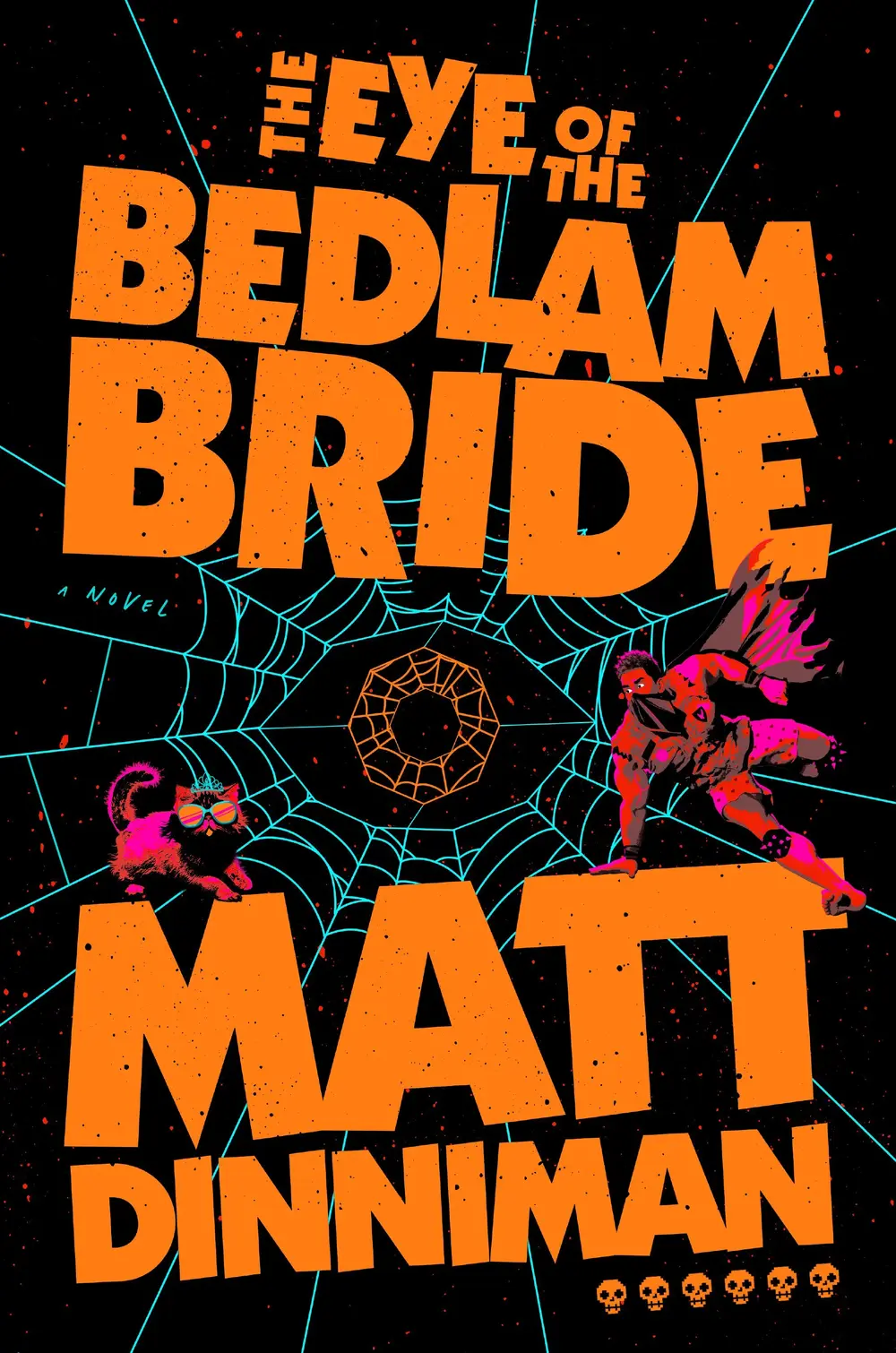
There is also a conflict in this book that I expected to be a massive, drawn out thing. And it is significant. But the way it is being handled on the surface feels almost too clean. I am reserving full judgment because I do not know where it ultimately goes, and I hope it is not as simple as it appears. The title itself, the Eye of the Bedlam Bride, is a character in the story, and a fascinating one. Both in how they operate when they show up and in the weight they carry for where the story could go. I am genuinely curious.
The book is structured in three parts and each one builds to its own climax, which gives the whole thing a roller coaster feel. The final stretch is a battle royale style push to escape the floor. Instead of just running, Carl has to weaponize the deck building mechanics on a massive scale, coordinating summons and manipulating boss level entities just to carve a path out. Watching him try to figure out how to make it work for his core group is exactly what you want. Not everything goes perfectly. Not everything goes badly. It is a real balance, and the series is better for it.
Now the gripes. These books are getting long. Like noticeably long. Part of it is because Dinniman keeps introducing new characters and he wants to pay them off properly, which I respect. But some of the earlier characters I genuinely love are starting to get lost in the sauce. I want more screen time with the people who built this world. A hundred to a hundred and fifty pages trimmed would make these books tighter without losing anything essential. That said, every time I am in it I am enjoying it. So it is an understandable gripe more than a real complaint.
The AI storyline is also getting more unhinged in ways that feel uncomfortably close to real life right now. But honestly that makes it more of a wild card narratively, and Dinniman can take it anywhere he wants because of it. I am here for it.
This is a worthy follow up to the best book in the series and sits comfortably at number two for me. The floor mechanic is creative, the character work keeps deepening, and Faction Wars is finally on the horizon. I am ready.